

Invisible Wellness Upgrades for Whole‑Home Air and Water

Today we explore invisible wellness upgrades—whole‑home air and water purification—that quietly elevate comfort, clarity, and resilience in everyday life. We will connect science with simple routines, demystify equipment choices, and share lived experiences so you can breathe easier, drink confidently, and build a healthier home without visual clutter or complicated behavior changes.

Air quality, comfort, and the body’s daily rhythm
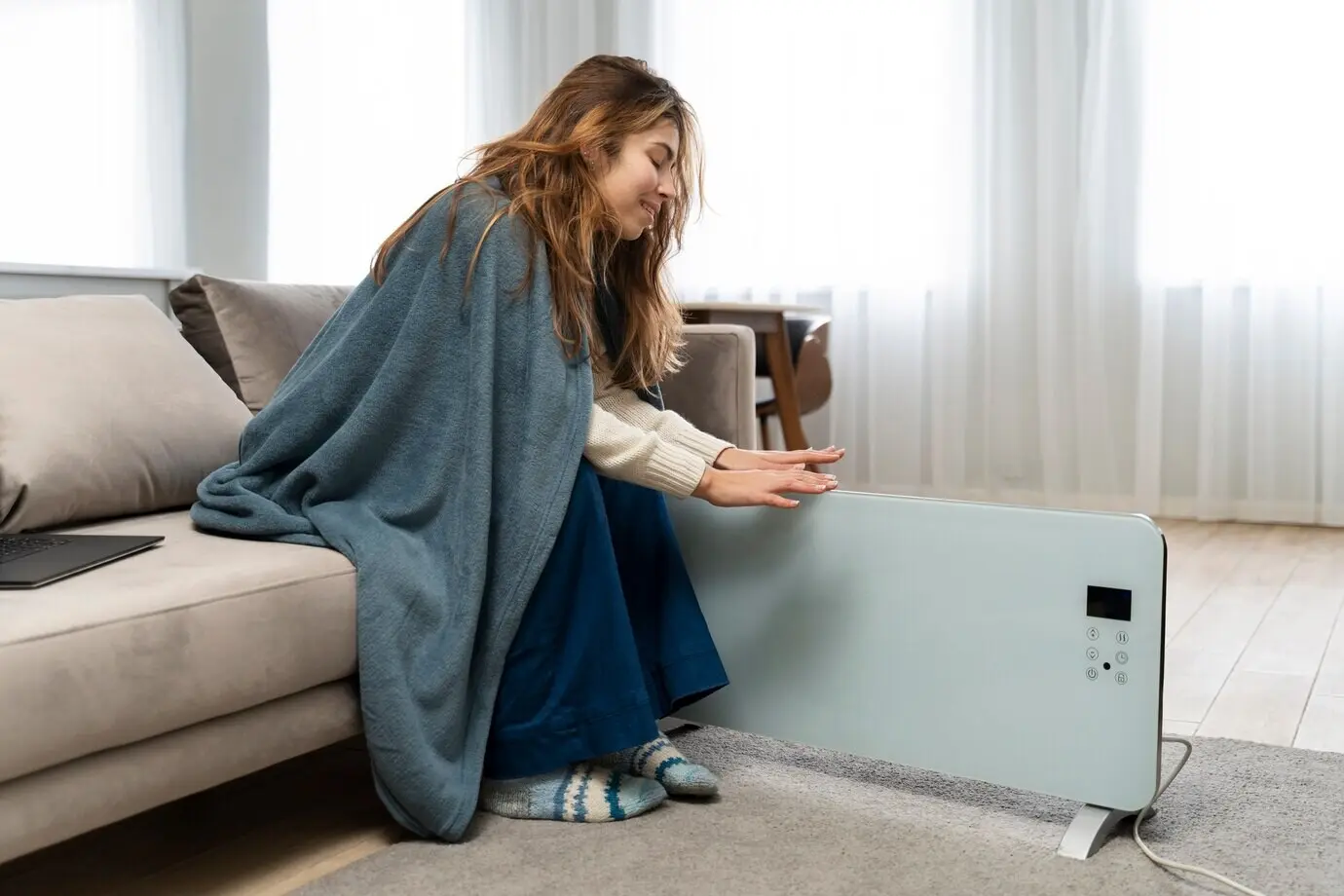
Cleaner air reduces fine particles that irritate airways, calm nighttime coughing, and help stabilize sleep. When filtration and ventilation are continuous and balanced, humidity steadies, odors fade, and morning grogginess lifts. The result is subtler than a remodel, yet more noticeable in your energy, focus, and how your home feels after guests, cooking, or a rainy day. It’s a gentle background upgrade that supports every routine you already love.

Hidden tap contaminants and everyday exposure pathways

Water touches everything: beverages, soups, showers, pet bowls, humidifiers, and ice. Chlorine can irritate skin and hair; sediment and metals add taste and color; emerging contaminants like PFAS challenge older treatment plants. Point‑of‑entry filtration captures much of this before it reaches faucets, while point‑of‑use polishing enhances drinking and cooking. The payoff is softer showers, dependable flavor, and less scale in appliances, creating confidence each time you turn a handle.

Building an Air System That Actually Delivers

It starts with airflow. Filters must capture small particles without choking your blower, and ventilation should refresh stale rooms without drafts. The right combination of MERV rating, duct sealing, and balanced fresh air brings consistency. Add smart controls that nudge fans to circulate at low speeds, and your home feels calmer, smells neutral, and recovers quickly from cooking, pets, or seasonal pollen without constant tinkering or noise.

Water You Trust From Every Fixture

A layered approach makes whole‑home water shine. Point‑of‑entry sediment and carbon media capture grit, chlorine, and many tastes or odors before they touch pipes and fixtures. Softening or conditioning handles hardness and scale. At the kitchen, a compact reverse osmosis system with remineralization delivers crisp flavor for drinking, tea, and cooking. Together they protect plumbing, simplify cleaning, and bring the reassuring consistency you expect from every glass and shower.

01

Sequencing point‑of‑entry stages for reliable protection

Start with a sediment filter to catch sand and rust, protecting downstream media from clogging. Follow with catalytic or activated carbon to reduce chlorine, chloramines, and many organic compounds affecting taste and odor. Where microbiological risks exist, add a validated UV stage. Include pressure gauges and a bypass loop for easy servicing. This thoughtful sequence ensures steady flow, measurable performance, and fewer surprises when seasons change or utility conditions fluctuate.

02

Reverse osmosis at taps with balanced minerals

RO excels at reducing dissolved solids, including many salts and metals, but can taste flat if minerals are fully stripped. A post‑filter remineralization cartridge restores a gentle balance for better mouthfeel and brighter flavors in coffee and tea. Modern systems waste less water and fit neatly under sinks. Add a small inline TDS meter to monitor performance, and replace cartridges on schedule to keep taste and protection consistently excellent.

03

Hardness, scale, and protecting fixtures and heat exchangers

Hard water leaves cloudy spots, clogs aerators, and insulates heating surfaces, shrinking efficiency. Traditional softeners exchange hardness minerals for sodium or potassium, delivering silky showers and protecting appliances. Where salt isn’t preferred, conditioned alternatives can reduce scale adhesion, though results vary. Always test water first, size media for peak flow, and plan for drains and overflow protection. Your glass, tile, heater, and espresso machine will thank you with longer, cleaner service.

Installation Strategies for Any Home

Whether you’re renovating, building new, or upgrading a compact apartment, a clean install is about access, noise control, and future maintenance. Place air equipment where filters slide out easily, add vibration isolation, and keep bends gentle. For water, provide unions, shutoffs, and a real bypass. Protect with leak sensors and pans. Coordinate electrical needs, permits, and support. A tidy, labeled layout today prevents late‑night surprises years from now.
Ask installers to measure static pressure before and after filtration changes, and to verify airflow with readings instead of guesses. Request product sheets that show certified performance and any third‑party testing. Clarify maintenance intervals, lamp hour meters, and media lifespan by gallons and conditions. A good partner explains tradeoffs transparently, offers service documentation, and sets you up to verify results yourself with simple gauges and meters you can actually read.
Position blowers and purification cabinets away from bedrooms when possible, adding isolation pads and flexible connectors to calm resonance. Ensure there is clear space to remove filters and lamps without disassembling half the room. For water, mount canisters at comfortable heights, label flow direction, and keep clear of storage clutter. A quiet, reachable installation encourages consistent upkeep, and consistent upkeep keeps performance high long after the initial excitement fades.

Maintenance Habits That Keep Systems Honest

Great systems stay great with light, regular attention. Mark calendar reminders for filters, UV lamps, and cartridge changes. Check pressure drop across air filters, glance at TDS before and after RO, and listen for fan changes. Keep a small logbook so trends are obvious. A few minutes monthly prevents performance drift, catches leaks early, and protects your investment, making cleanliness feel like part of the home’s natural rhythm.

A winter transformed with balanced fresh air

A family in a drafty home installed an ERV with MERV 13 filtration and ran the blower on a quiet, continuous setting. Within weeks, bedrooms smelled neutral, windows stayed clearer, and morning congestion faded. They still crack windows on sunny days, but balance now carries most of the load. The biggest surprise was calmer humidity, which made rooms feel warmer at lower temperatures, trimming energy use without sacrificing comfort or clarity.

Small apartment, big improvement with compact upgrades

In a one‑bedroom, a slim return filter cabinet, duct sealing, and a modest kitchen RO changed daily routines. Cooking odors no longer lingered into bedtime, and ice cubes tasted cleaner. Maintenance takes minutes: a quarterly filter change, RO cartridges twice a year, and quick checks for leaks. The resident keeps a tiny log in a notes app, finding that small attention keeps living easy and frees weekends for everything else they enjoy.

Healthier studio productivity and fewer sick days

A boutique design studio added balanced ventilation, upgraded filtration, and a chilled water dispenser with carbon polishing. Staff reported steadier focus in afternoons, and the manager tracked fewer sick‑day emails during winter. Clients commented that the space felt calm, not perfumed. The team now shares simple maintenance tasks and posts sensor snapshots monthly. The upgrades disappear into routine, yet their benefits appear in sharper work and friendlier, breathable collaboration.

Lipanazahafozetonorepi
Privacy Overview

This website uses cookies so that we can provide you with the best user experience possible. Cookie information is stored in your browser and performs functions such as recognising you when you return to our website and helping our team to understand which sections of the website you find most interesting and useful.