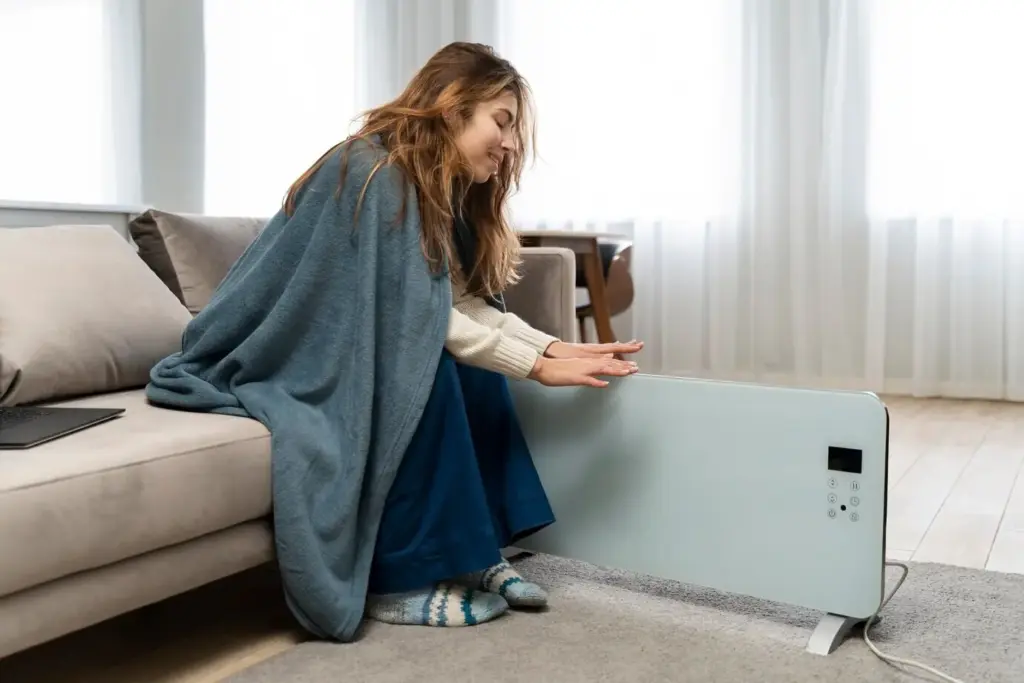

Whisper-Quiet Comfort with Radiant Floors and Hidden Airflow

Today we dive into silent climate control, exploring how radiant floors and hidden ventilation deliver discreet comfort. You’ll learn how hydronic slabs, low-velocity ducts, and carefully placed diffusers create warmth and fresh air without hums, rattles, or visual clutter. Expect practical design guidance, measured insights, and real stories you can adapt at home, plus clear next steps for planning upgrades with efficiency, elegance, and long-term reliability in mind.

The Science of Silence

Quiet comfort begins with physics: radiant surfaces warm people directly, letting thermostats sit lower while comfort rises. Air moves more gently, reducing drafts and the hiss of fast registers. Hidden ventilation complements this approach by controlling pressure, lowering turbulence, and isolating fans. Together, they shave decibels, steady temperatures, and deliver consistently fresh air without intrusive hardware or the acoustic fatigue of mechanical rumble echoing through rooms.

Hydronic vs Electric Systems

Hydronic systems circulate warm water through PEX or multilayer pipes, perfect for whole-home comfort and pairing with efficient heat pumps or condensing boilers. Electric mats shine in small spaces like bathrooms, offering quick installation and responsive control. Hydronic wins on scale and efficiency, especially at low temperatures, while electric wins on simplicity. Choose using lifecycle costs, coverage area, power availability, and the responsiveness you need day to day.

Manifolds, Zoning, and Control

Thoughtful zoning lets bedrooms sleep cooler, living rooms glow warmly, and sunrooms adjust for afternoon gains. Manifolds with flow meters simplify balancing loops, while actuators open zones only when needed. Mixing valves temper supply water, avoiding overheated surfaces. Add outdoor reset control to follow weather patterns gracefully. The payoff is unwavering comfort and reduced cycling, where every room feels intentional rather than forced by a one-size-fits-all schedule.

Floor Coverings and Performance

Tile and stone excel by conducting heat efficiently, delivering quick, even warmth. Engineered wood can work beautifully when thickness and underlayment suit radiant systems. Carpet demands careful selection; high R-values slow heat delivery. Always consult manufacturer limits for temperature and adhesives, and include sensors to protect delicate finishes. Match coverings to comfort goals, not just style boards, and you’ll keep toes happy without sacrificing energy performance.

HRV and ERV Placement that Stays Out of Sight

Locate the HRV or ERV in a mechanical nook, laundry, or insulated attic platform, isolated with vibration pads. Short, straight ducts reduce resistance and noise, while dedicated outdoor intake and exhaust terminate away from patios. Supply to living rooms and bedrooms; extract from kitchens, baths, and laundry. Balancing dampers fine-tune flows. The core quietly recovers energy, so fresh air feels effortless, steady, and seasonally considerate.

Diffusers You Barely Notice

Slot diffusers integrated into millwork, shadow gaps at ceilings, and discreet toe-kick grilles blend into architecture while spreading air widely. Large openings with low velocities hush turbulence, while plenum boxes stabilize flow. Powder-coated finishes color-match surfaces so they disappear. The room breathes without calling attention to itself, and you enjoy the calm of fresh air without the visual noise of clunky registers punctuating every wall.

Silencing Strategies That Actually Work

Acoustic duct liner, flexible connectors, and carefully sized plenums prevent hiss and thrum from reaching occupied spaces. Use slow, steady fan curves rather than aggressive bursts. Decouple equipment from structure, avoid sharp elbows, and isolate any potential rattles. With a few smart details, the mechanical soundtrack fades below conversation, leaving only the quiet whisper of comfort and a home that sounds as calm as it feels.


Energy, Efficiency, and Sustainability

Radiant floors thrive at low water temperatures, letting heat pumps or condensing boilers sip energy while delivering generous comfort. Hidden ventilation with energy recovery keeps fresh air affordable. Better yet, steady operation reduces peaks that punish utility bills. Pairing weather-responsive controls, airtight construction, and thoughtful insulation turns quiet comfort into measurable savings, proving elegance and efficiency can be allies, not adversaries, in everyday living and long-term stewardship.

Installation, Retrofits, and Real-World Lessons

Whether pouring a new slab or sliding panels beneath a renovation, details decide outcomes. Insulation below and around edges, smart tube spacing, and clean manifolds matter. Ventilation prefers straight runs, sealed joints, and thoughtful terminations. Plan for maintenance access without sacrificing discretion. Learn from projects that traded bulky grilles for elegance: spaces stayed serene, dust settled less, and families noticed calm more than equipment specifications ever promised.

New Construction Advantages

Fresh builds invite thick slabs for thermal mass, continuous sub-slab insulation, and crisp edge isolation to kill heat loss. Manifold closets centralize loops, while chase planning keeps ducts direct and quiet. Builders can coordinate finishes, adhesives, and sensors early, preventing surprises later. The reward is integrated comfort that looks effortless because every layer supports the next, making quiet feel like a fundamental property of the architecture.

Retrofit Playbook for Tight Spaces

Low-profile grooved panels or aluminum plates slip under new flooring with minimal height gain, perfect for apartments and historic homes. Micro-ducts route through closets or soffits to reach linear diffusers. Expect careful coordination around thresholds, doors, and stair noses. Moisture and structure checks come first, then smart controls tailor response. The right sequence transforms difficult constraints into patient, quiet comfort without gutting beloved rooms or trim.

Living with Quiet Comfort

Care and Maintenance Made Simple

Swap filters on schedule, vacuum linear slots, and wipe grilles gently to preserve airflow. Check radiant loop pressures annually, bleed air if needed, and confirm actuators cycle. ERV cores benefit from seasonal cleaning according to manufacturer guidance. Simple habits prevent early wear, keep noise low, and protect efficiency. A quiet system stays quiet longest when tiny routines keep the backstage tidy, predictable, and ready.

Controls You’ll Actually Use

Choose thermostats that display floor and air temperatures, and humidity controllers that prioritize comfort over guesswork. Add CO2 sensors to nudge ventilation only when needed. Integrate schedules with weather forecasts, and enable gentle preheats before routines. Voice assistants are helpful, but clarity matters more: names that match rooms, scenes that mirror life. The easier your controls feel, the less you’ll ever notice them operating.

Join the Conversation

Tell us what’s working in your space, where drafts disappeared, and which diffusers truly vanished after painting. Share before-and-after sound readings, energy bills, or photos of clever soffits. Ask questions about floor coverings, dew point risks, or HRV sizing. Subscribe for deep dives, case studies, and seasonal checklists, and help others navigate decisions calmly. Quiet comfort grows stronger when experiences and curiosity circulate freely among thoughtful neighbors.
Lipanazahafozetonorepi
Privacy Overview

This website uses cookies so that we can provide you with the best user experience possible. Cookie information is stored in your browser and performs functions such as recognising you when you return to our website and helping our team to understand which sections of the website you find most interesting and useful.